





Training Program
Big River Farms Training Program
Since 1983, the Minnesota Food Association has been working to build a local and sustainable food system in Minnesota and the St. Croix River Valley. In 1998, MFA began training immigrants new to farming in the United States. During the 2007 and 2008 seasons, MFA developed the Big River Farms Training Program as an integrated training approach to train and teach immigrant and minority farmers in certified organic vegetable production, accessing and developing markets for those vegetables, and learning the business practices that will help them develop successful small farm enterprises.
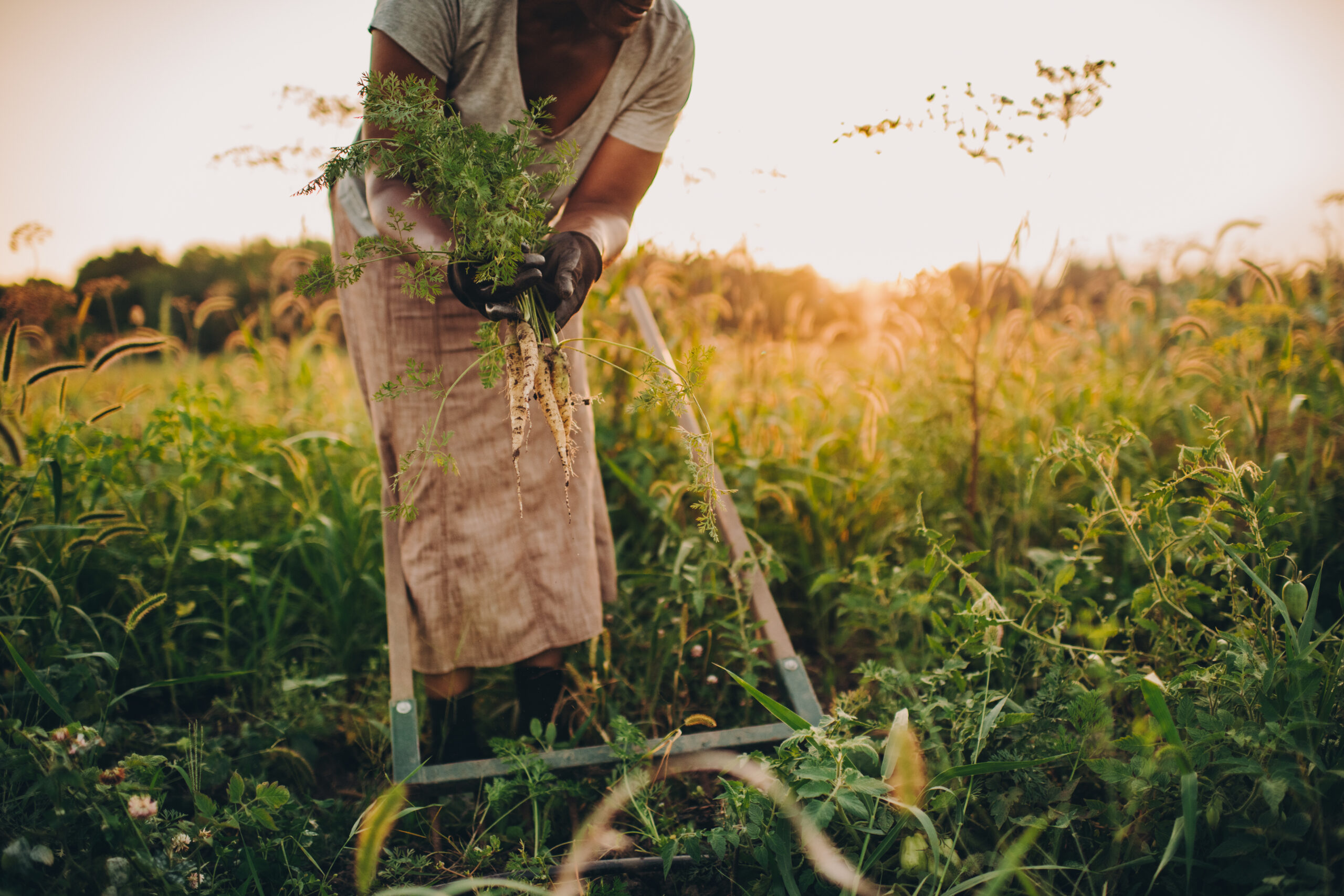
The program operates a farmand training facility at Wilder Forest, near Marine on St. Croix, in Washington County, MN. Big River Farms operates a 160 member CSA (Community Supported Agriculture) that includes a demonstration/production plot, and provides land to approximately 10 “farm” participants each year for growing vegetables, keeping farm records, and developing farm business goals and practices.
Starting in January and continuing throughout the season, farmer participants attend classes on the topics of production, marketing and operating a farm business. Winter classes are held weekly in St. Paul, while trainings during the growing season are held at Big River Farms or on other nearby farms.
Click here for the current class schedule.
Minnesota Food Association is committed to helping farmer participants explore and develop the skills necessary to become independent farmers on their own land. However, we realize that owning and operating a small farm in the United States is a difficult task. In the Big River Farms Training Program we expose the farmer participants to the realities of running an independent farm: not just the work of producing food, but the details of running a successful business. It is a primary goal of our program to encourage farmers to think realistically about the feasibility of running and owning their own farm operation.
Who is eligible?
Big River Farms focuses its training on immigrant and minority farmers. We serve a population that generally has difficulty accessing the resources needed to establish a successful farm business, persons with limited resources who have been historically underserved. As a participant, you must be committed to producing vegetables on a market scale, learning the principles and practices of organic farming and learning to manage a farm business in the United States.
The classes, both the winter classes and the in-field trainings, are open to anyone that would like to attend. You do not have to be a participant in the full BRF program to attend the classes. Contact the training coordinator before attending to make sure there is still space available and that no changes have been made. The cost for attending an individual class is $20.00 or you can sign up for a series of 4 for $60.00.
Fees for the full training program include classes and individual consultation, land use, and infrastructure use.
Click here for detailed fees.
What the Training Program Offers
The Big River Farms Training Program offers many things to farmer participants:
The Training Coordinator will provide access to resources you will need, such as where to purchase seeds, tools, and other supplies and where to sell your produce. They will assist you in practices such as how to make business goals and how to keep farm records.
Other staff are also available to help with marketing, making connections to other organic farming organizations, and applying for financial assistance for new farmer endeavors.
How Can You Apply?
Contact the Training Coordinator to schedule a 1-2 hour informational meeting. Attend information sessions held in November and January. Contact the Training Coordinator to find out the time and place. Enrollment takes place November through January with training classes starting in January or February. If you are interested, feel free to attend a class to learn more about the program. See the class schedule.
- 8 winter class room trainings
- 13 in-field trainings, including field trips to other farms and short skill sessions
- Land to practice growing vegetables that is fenced in and has fertility added
- Use of cleaning and packing facilities and cold storageTractor tillage and water access (with some irrigation supplies)
- One-to-one meetings and in-field consultation with staff
- Training in organic certification
- Annual Immigrant and Minority Farmers ConferenceResources and other infrastructure use
The Training Coordinator will schedule regular visits to your field to answer your questions, provide helpful information and make sure you are on track with your goals. The Farm Manager is also available to answer questions and help with production problems.